
About
About World Engineering Day
World Engineering Day is an official international day proclaimed by UNESCO in 2019 to recognize the vital role engineers play in achieving the United Nations Sustainable Development Goals (SDGs), it is celebrated annually March 4th.
Core Objectives :
- Awareness: Highlighting how engineering and technology are central to modern life and for solving global challenges like climate change, poverty, and resource management.
- Diversity & Inclusion: Encouraging more young people, particularly women and girls, to enter the profession where they are historically underrepresented.
- Capacity Building: Addressing the global shortage of engineers and the “brain drain” from developing to developed nations by promoting engineering education.
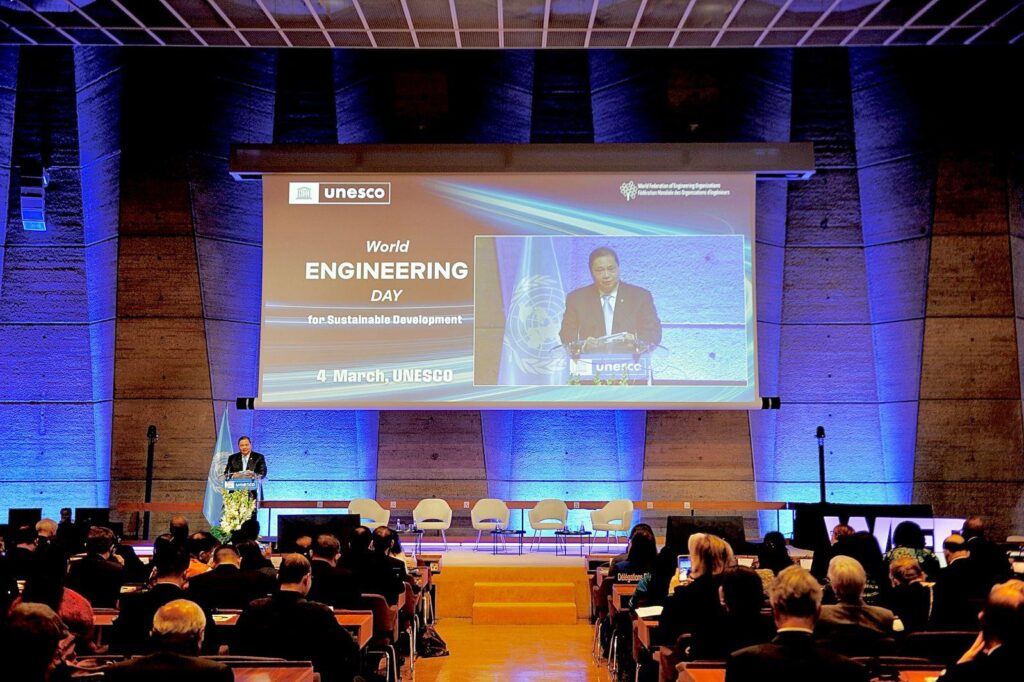
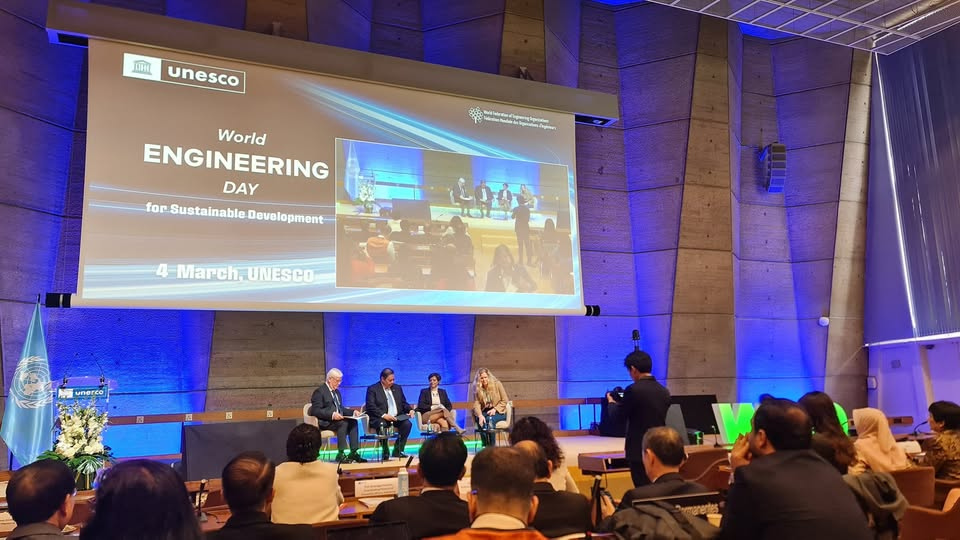
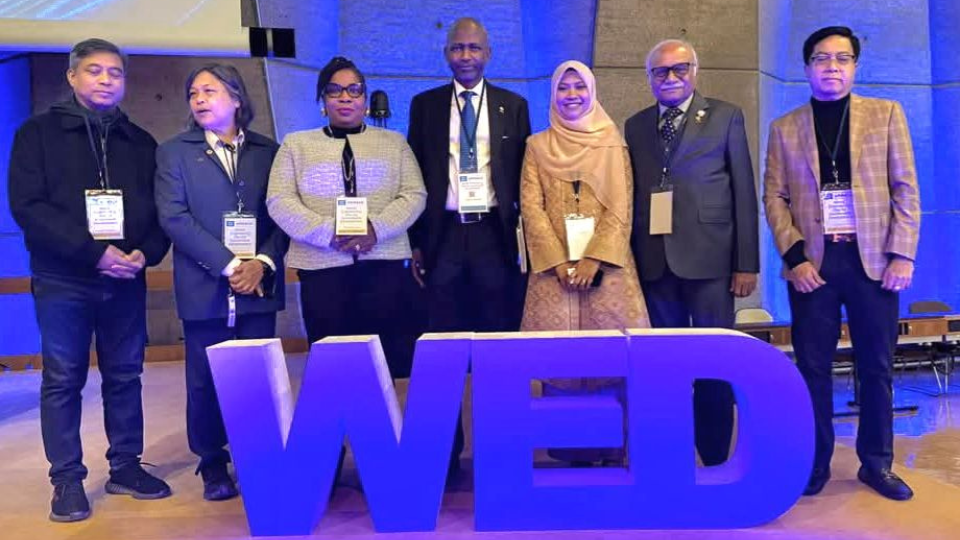
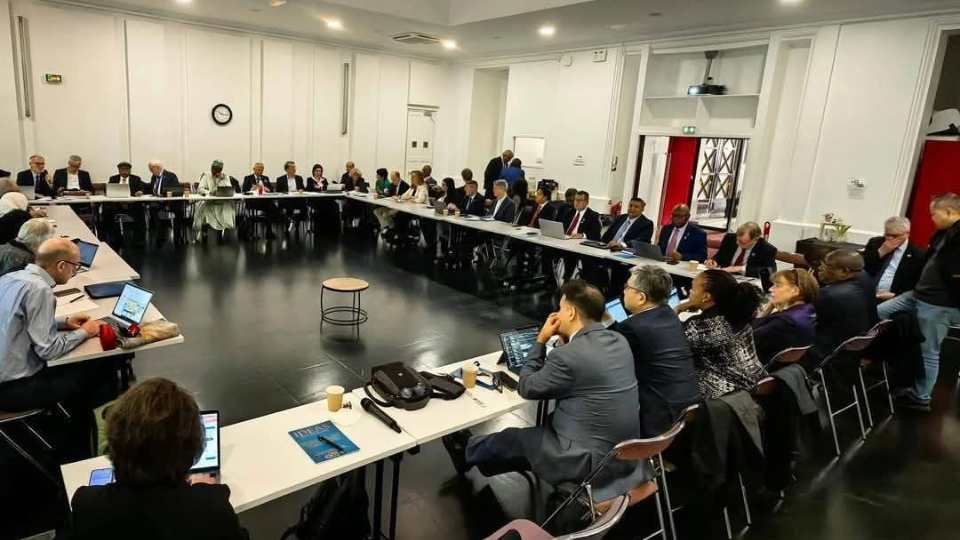
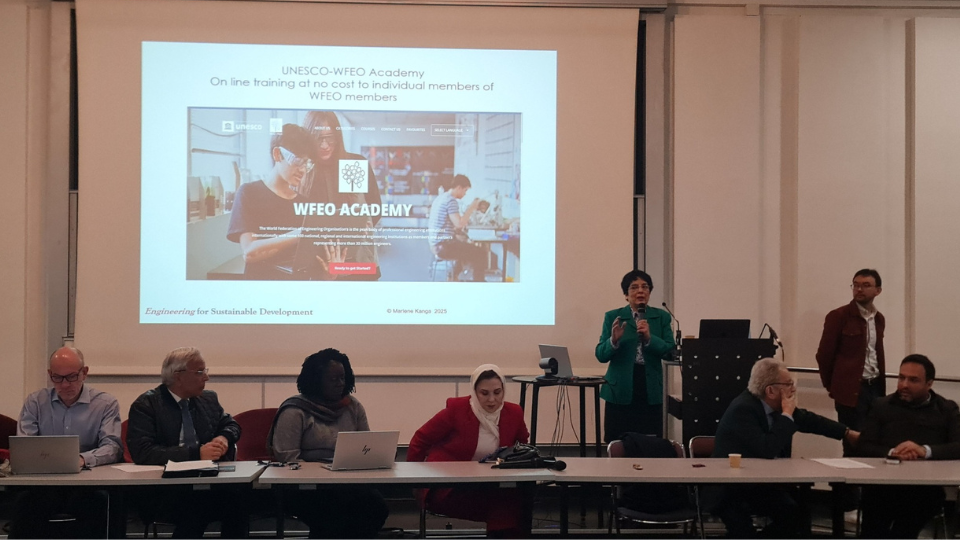
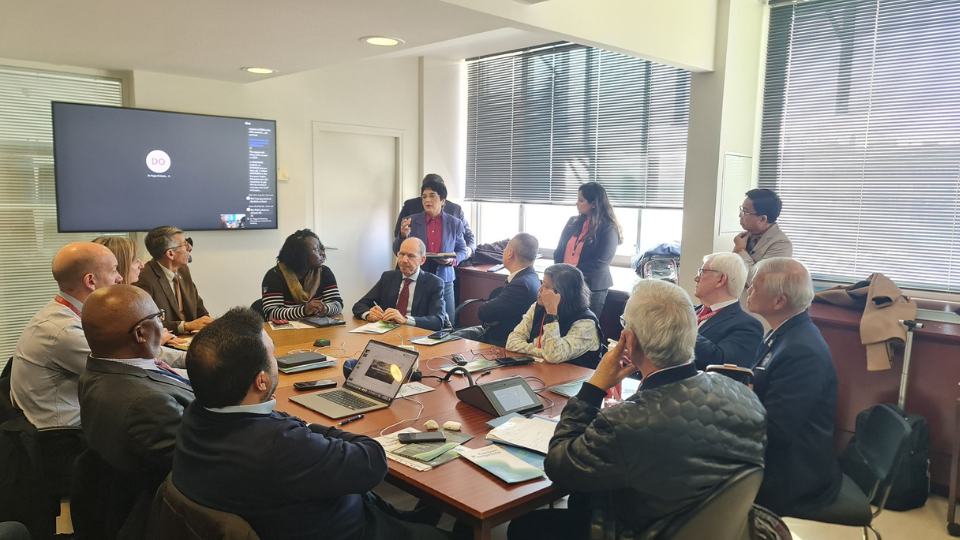
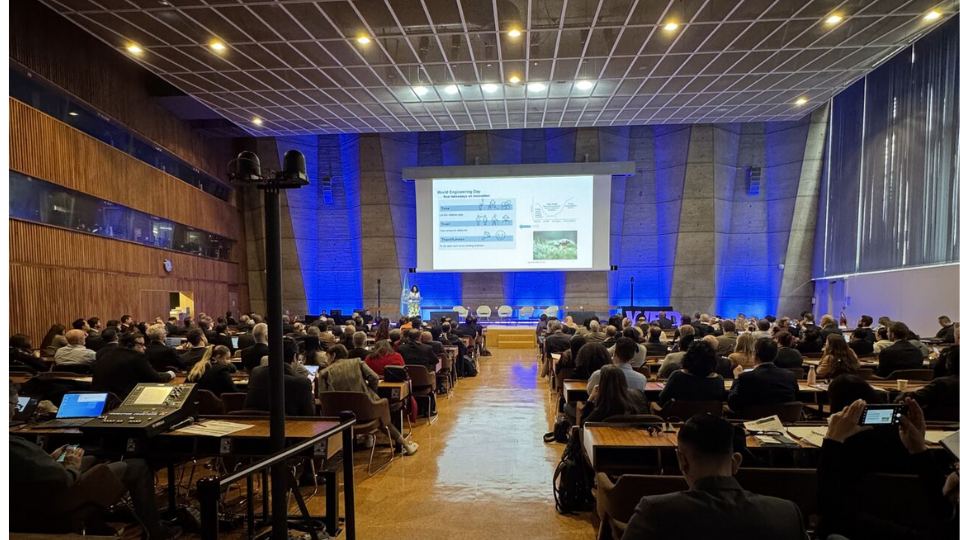
The World Federation of Engineering Organizations (WFEO) is the primary founder and global coordinator of World Engineering Day (WED). Its involvement ranges from establishing the day with UNESCO to organizing its annual international flagship activities and the Institution of Engineers Indonesia (PII) is a National Member of the World Federation of Engineering Organizations (WFEO).
About the Institution of Engineers Indonesia (PII)
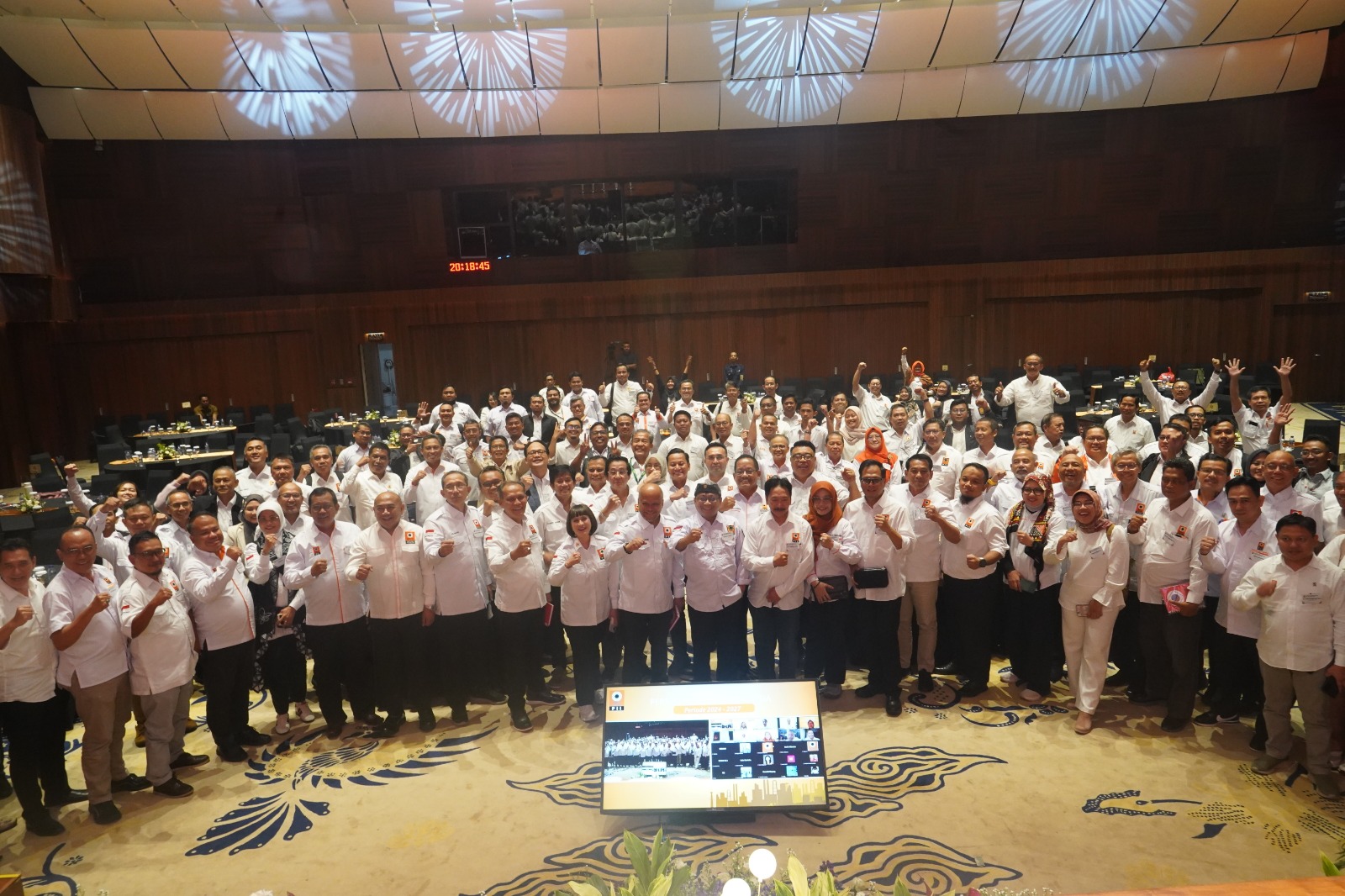
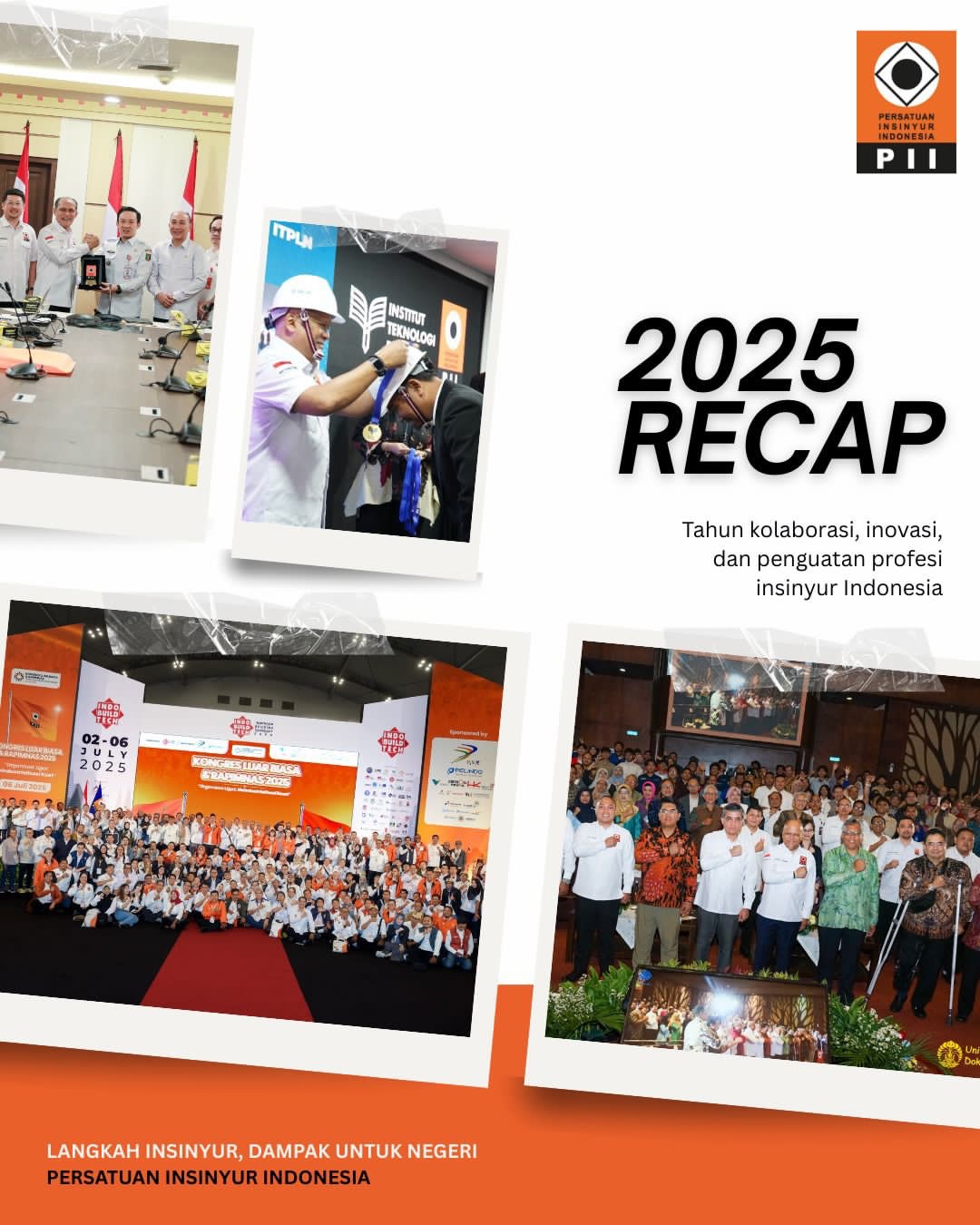
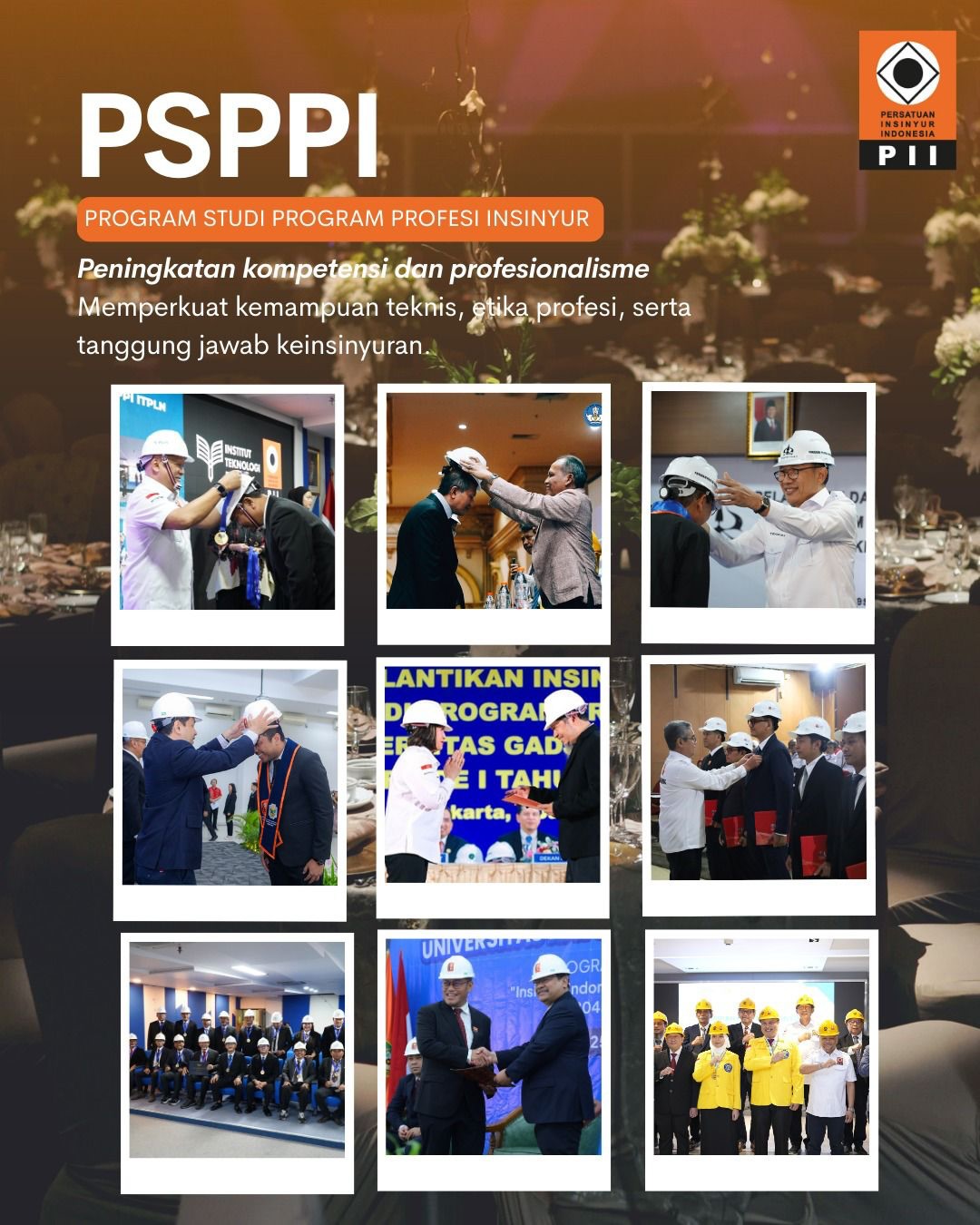
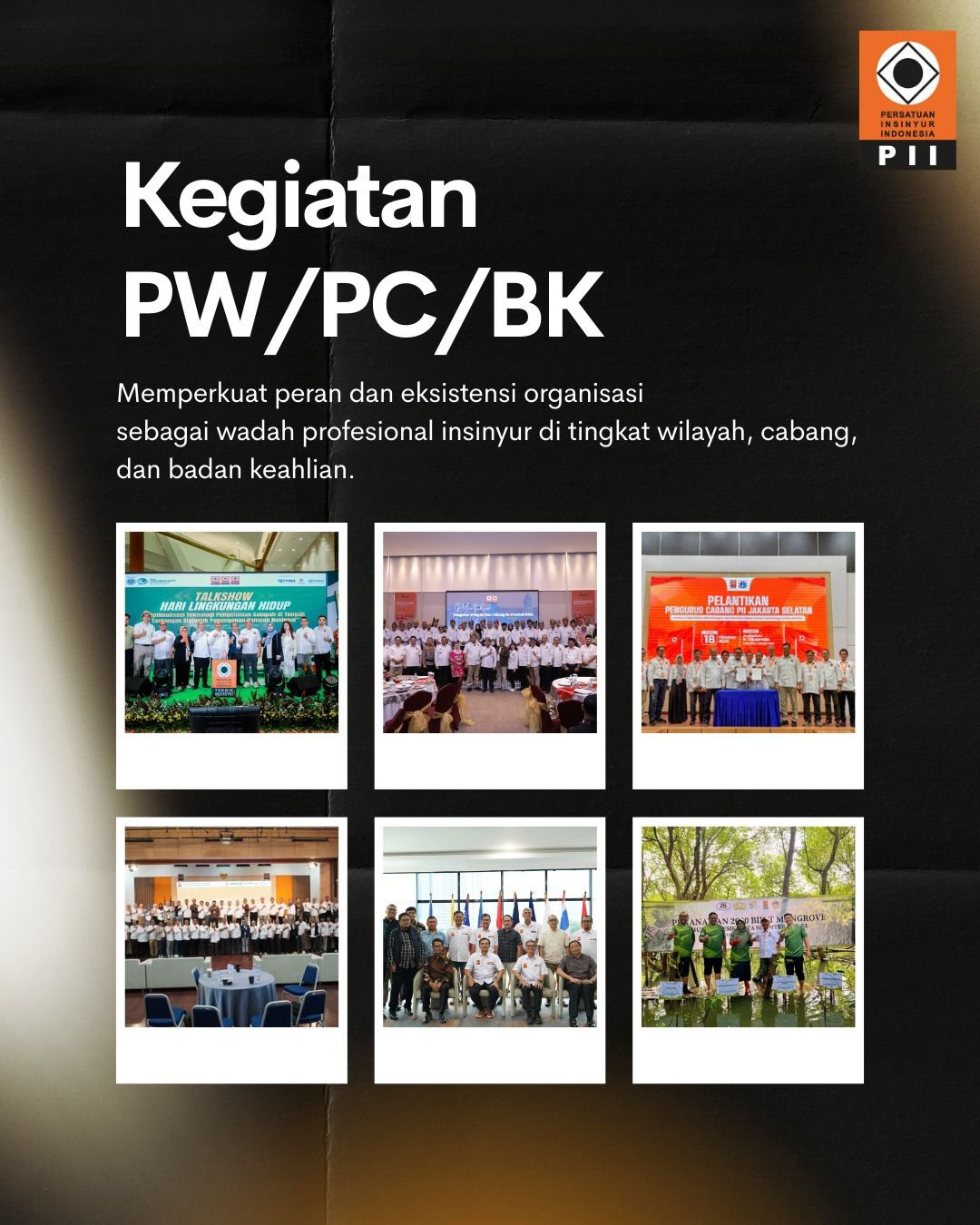
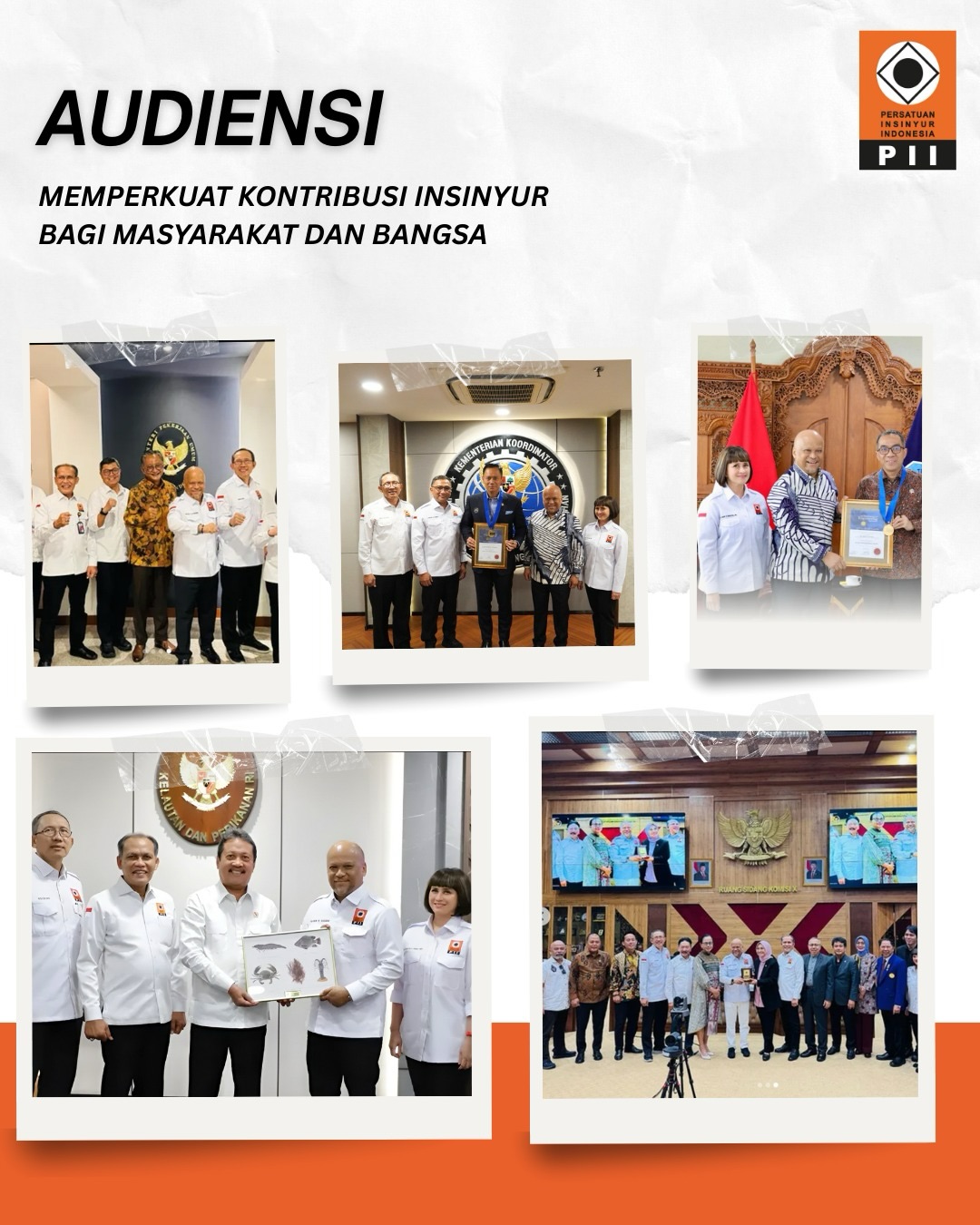
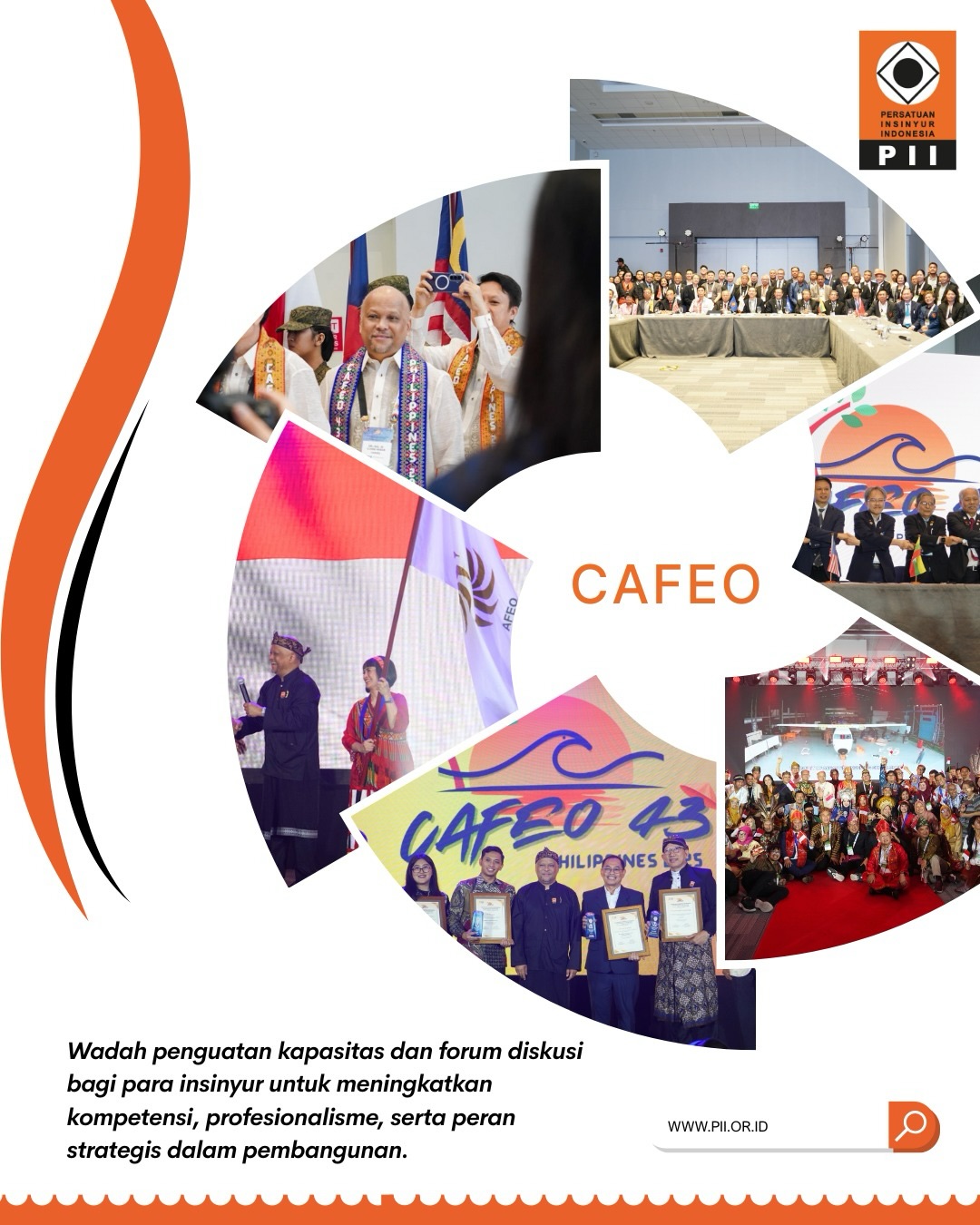
PII is a National Member of the WFEO. PII is the nationally mandated professional body under Law No. 11/2014 and Government Regulation No. 25/2019, responsible for engineer registration, ethics, CPD, and engineering education accreditation through our subsidiaries (LAM Teknik and IABEE).
Indonesia’s current reindustrialization agenda, including down streaming, green energy, digital infrastructure, and smart urban development creates powerful alignment with WED objectives. The Government of Indonesia has indicated support through relevant ministries (planning, public works, industry, energy, transport, communications, environment, SOEs, higher education, and research). Internationally, PII will work with UNESCO, WFEO Standing Technical Committees, AFEO, and global university networks. Indonesia’s event management capacity is proven by hosting G20, ASEAN Summits, and by PII’s successful organization of CAFEO 2019 (Jakarta) and CAFEO 2023 (Bali).
About the Theme of WED 2026
The official global celebration will be hosted by PII and will take place from March 3 to 5, 2026, at Balai Kartini Ball Room in Jakarta, Indonesia. The 2026 global celebration will be hosted by Indonesia under the theme: “Smart Engineering for a Sustainable Future Through Innovation and Digitalization.”
This theme reflects a growing global realization that sustainable development can no longer depend solely on vision statements, policy declarations, or high-level commitments. Over the last decade, the world has witnessed numerous global forums and events filled with opinions, analyses, and recommendations articulated by prominent speakers. While valuable, these discussions have too often resulted in limited tangible outcomes. The current global challenges—ranging from climate change and environmental degradation to supply-chain disruptions, energy insecurity, public health crises, and widening socio-economic inequalities—demand a fundamental shift from discourse to decisive action and implementation.
In this context, World Engineering Day 2026 emphasizes the emergence of engineering leadership as a critical force for change. It calls upon engineers to move beyond traditional, narrowly defined technical roles and to take responsibility for shaping, financing, and delivering real-world solutions at scale. This requires individuals with not only technical excellence, but also the capacity to integrate innovation, digital technologies, systems thinking, and leadership experience in order to translate ideas into operational projects that generate measurable economic, social, and environmental impact.
The Jakarta celebration will highlight how engineers—working in close partnership with governments, industry leaders, financial institutions, academia, and civil society—can drive this transformation. Particular attention will be given to the application of smart and digital engineering approaches in large-scale infrastructure, energy systems, sustainable industry, transport, urban development, and environmental management. The programme will also underscore the importance of cultivating a new generation of engineers who possess the vision, competence, and leadership track records required to guide complex projects from conception through implementation and long-term operation.
World Engineering Day 2026 will bring together leaders of the global engineering profession, senior policymakers, industry executives, academic leaders, and young engineers from all regions. Through keynote addresses, high-level dialogues, plenary and technical sessions, and exhibitions, participants will exchange best practices, showcase proven solutions, and strengthen international cooperation aimed at accelerating sustainable development outcomes.
Jakarta, Indonesia
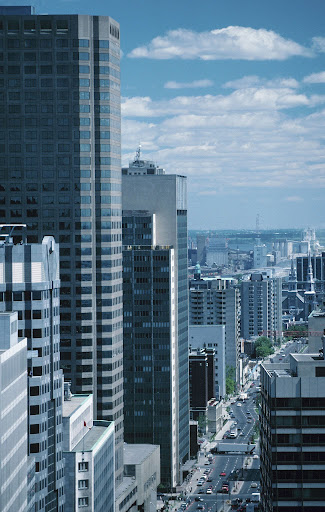
Jakarta, Indonesia. Stands as a vibrant and ever-evolving metropolis, a city where innovation meets ambition and transformation shapes the future. As the beating heart of Indonesia’s economic, political, and technological landscape, Jakarta embodies the progressive spirit that lies at the core of World Engineering Day.
With its world-class infrastructure, diverse engineering talent, and steadfast commitment to sustainable urban development, Jakarta continues to lead the nation’s journey toward a smarter and greener future. The city’s forward-thinking initiatives, from green infrastructure and smart city integration to large-scale digital transformation, reflect its dedication to the principles of sustainable engineering.
Empowered by a dynamic academic and professional community, supported by modern facilities and seamless accessibility, Jakarta stands as the ideal stage for global collaboration, innovation, and knowledge exchange the true testament to how engineering can drive positive change for a better world.
Weather
Jakarta has a tropical climate with temperatures around 24–32°C year-round. The dry season is May–September, while the rainy season is October–April.
Sightseeing
Key attractions include Monas (National Monument), Kota Tua (Old Town), Istiqlal Mosque, Jakarta Cathedral, and major shopping malls.
Local Transportation
Public transport includes MRT, LRT, and TransJakarta buses. Ride-hailing apps (Gojek, Grab) and taxis (Blue Bird) are widely used.
Shopping
Jakarta offers modern shopping malls and traditional markets. Popular shopping areas include Grand Indonesia, Plaza Indonesia, Senayan City, and Tanah Abang Market.
Food
Jakarta features diverse local and international cuisine. Popular Indonesian dishes include Nasi Goreng, Satay, Soto Betawi, and Gado-gado.
Living Cost
Living costs are relatively affordable. Local meals and public transportation are inexpensive, while accommodation varies by location.
Medical Facilities
International-standard hospitals are available, such as Siloam, Pondok Indah, and Mayapada Hospitals.
Currency
The local currency is the Indonesian Rupiah (IDR). Cash, ATMs, and credit cards are widely accepted.
Telecommunications
Reliable mobile networks with 4G/5G coverage. Prepaid SIM cards are easy to purchase.
Security
Jakarta is generally safe. Visitors should remain alert in crowded areas and use official transportation.
Worship Places
Mosques, churches, temples, and viharas are widely available across the city.
Electricity
Electricity in Jakarta operates on 220 volts / 50 Hz. The most commonly used plug types are Type C and Type F (two round pins).
Time Zone
Jakarta is in Western Indonesia Time (WIB), which is UTC +7.
Language
The official language is Bahasa Indonesia. English is commonly used in hotels and business areas.
Banking, Money Changers & Credit Cards
Banks, ATMs, and licensed money changers are widely available. Major credit cards are accepted in most establishments.
